
Understanding Heat Pump Defrost Cycles in Toronto's Cold Weather
Learn about heat pump defrost cycles, ice buildup prevention, and maintenance tips for Toronto's cold climate.
- Hudson HVAC
- 3 min read
Understanding Heat Pump Defrost Cycles in Toronto’s Cold Weather
Quick summary: Discover how heat pump defrost cycles work during Toronto’s cold weather, learn why ice buildup occurs, and find out how to maintain your heat pump for optimal performance. Whether you’re in North York or Mississauga, understanding these cycles can prevent costly repairs and improve efficiency.
The Fast Diagnosis: What Your Heat Pump is Doing
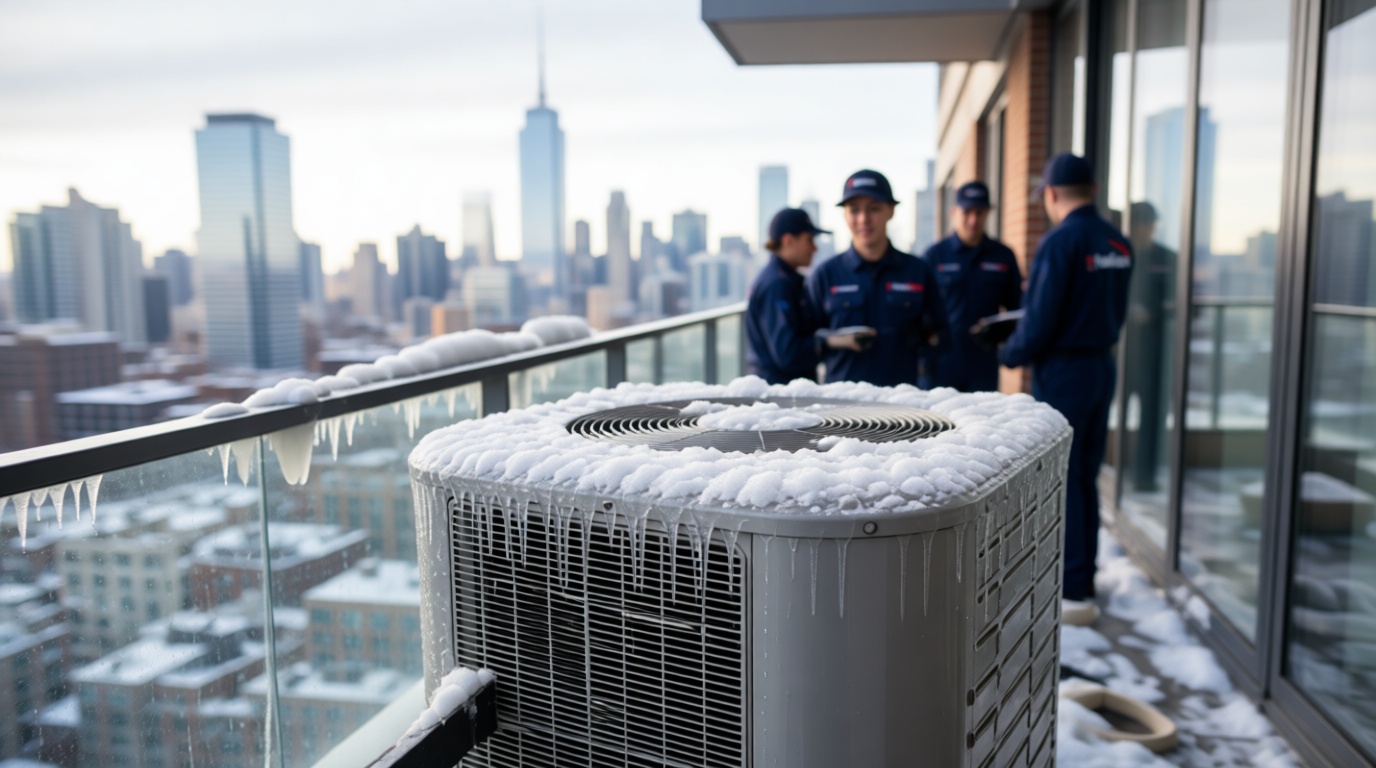
As Toronto transitions from winter to spring, many condo owners notice their heat pumps going through frequent defrost cycles. This is perfectly normal but can be confusing if you’re not familiar with the process. During these cycles, the heat pump temporarily switches to cooling mode to melt ice buildup on the outdoor unit, ensuring efficient operation.
Common Causes of Ice Buildup
Ice accumulation on your heat pump can hinder its performance. Here are some reasons why this happens:
- Cold temperatures and high humidity: Toronto’s winter weather, combined with humidity, can lead to ice forming on the outdoor coil.
- Restricted airflow: Blocked airflow due to debris or snow can exacerbate ice buildup.
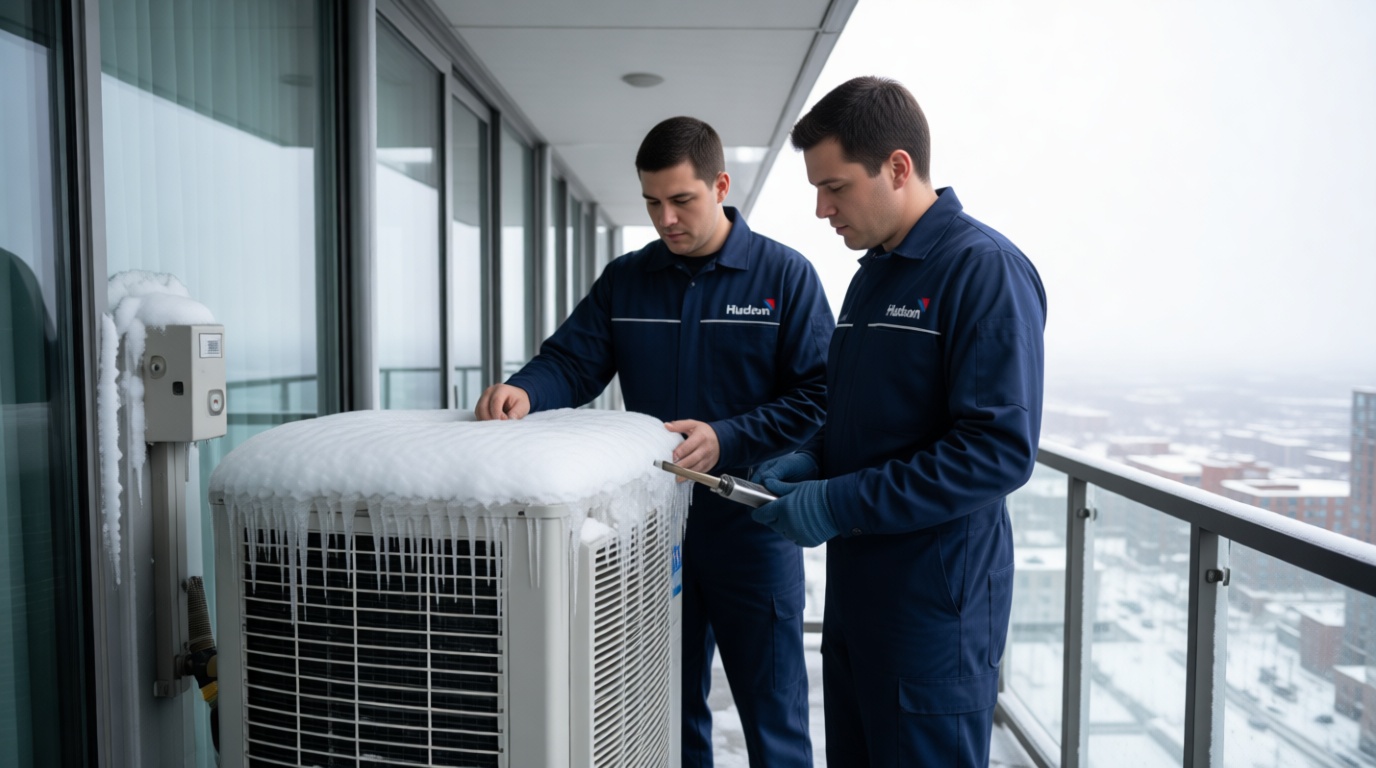
- Malfunctioning defrost thermostat: If this component fails, the defrost cycle may not initiate, leading to excessive ice.
DIY Safe Steps: What You Can Do Right Now
Before calling in professionals, there are a few things you can check to possibly resolve minor issues:
- Clear debris: Ensure the area around the outdoor unit is clear of leaves, snow, or other obstructions.
- Check the thermostat settings: Ensure your thermostat is set correctly to avoid unnecessary cycling.
- Inspect for visible damage: Look for obvious signs of damage or wear, such as broken fins or loose connections.
When to Call a Professional
While minor issues can be addressed with a bit of DIY, certain signs indicate the need for professional help:
- Persistent ice buildup despite cleared debris and correct settings.
- Unusual noises such as grinding or squealing during defrost cycles.
- Inconsistent indoor temperatures indicating potential system issues.
Consider scheduling a heat pump maintenance visit to ensure your system is in peak condition.
What to Expect from a Service Visit
When you schedule a service visit with Hudson HVAC, here’s what typically happens:
- Initial inspection: Technicians will assess the unit for obvious issues.
- Defrost cycle test: They’ll check the defrost cycle operation and adjust settings as necessary.
- Component check: Key parts like the thermostat, sensors, and valves are inspected.
- Cleaning and maintenance: The unit is cleaned, and any minor repairs are handled on-site.
FAQs
How often should a heat pump defrost?
Heat pumps typically defrost every 30-90 minutes in cold weather, but this can vary based on conditions.
Can ice damage my heat pump?
Yes, excessive ice can damage the coils and reduce efficiency, leading to costly repairs.
Is it normal for the heat pump to blow cold air during defrost?
Yes, during defrost cycles, the system temporarily blows cool air while melting ice on the outdoor unit.
Should I turn off my heat pump if it ices up?
No, turning it off can worsen the issue. Instead, ensure it’s set to defrost mode or contact a professional.
Next Steps: Prepare for the Seasonal Transition
As we move further into spring, ensuring your heat pump is ready for warmer temperatures is crucial. Consider a comprehensive maintenance check to switch smoothly from heating to cooling.
Contact Hudson
If your heat pump is struggling with ice buildup or frequent defrost cycles, don’t hesitate to reach out for professional assistance. Schedule your service visit today.
- Contact Hudson
- Phone: +1 (437) 448-0640
- Email: service@hudsonhvac.ca